Indonesia has long been recognized as one of the world's largest coconut-producing countries. With millions of coconut trees spread across thousands of islands, the country possesses a natural advantage that few nations can match. While coconuts have traditionally been used in local food and agricultural industries, recent shifts in global consumer behavior have transformed coconut-based products into one of the most promising export categories in international trade.
Over the past several years, demand for coconut-derived products has expanded significantly across food manufacturing, beverage production, personal care, cosmetics, and health-related industries. Consumers are increasingly seeking natural ingredients, plant-based alternatives, and products perceived as healthier and more sustainable. As a result, coconut products have moved beyond traditional markets and entered mainstream consumption across North America, Europe, the Middle East, and Asia.
This growing demand has created substantial opportunities for Indonesian exporters and international buyers alike.
One of the most widely traded coconut products is coconut milk. As plant-based diets continue gaining popularity worldwide, food manufacturers are incorporating coconut milk into a wide variety of products, including dairy alternatives, desserts, sauces, ready-to-eat meals, and beverages. Consumers who are lactose intolerant or prefer non-dairy products often view coconut milk as an attractive alternative due to its versatility and distinctive flavor.
Coconut cream has experienced similar growth. Frequently used in culinary applications, bakery products, confectionery manufacturing, and food service operations, coconut cream has become a staple ingredient for businesses seeking plant-based solutions. The increasing popularity of Asian cuisine in international markets has further contributed to growing demand for coconut-based ingredients.
Another product category attracting global attention is virgin coconut oil. The product has gained recognition among health-conscious consumers, wellness brands, and personal care manufacturers. Virgin coconut oil is commonly used in cooking, skincare products, hair care formulations, and nutritional supplements. Its broad range of applications has helped create stable demand across multiple industries rather than relying on a single market segment.
Desiccated coconut also remains a major export product. Food manufacturers around the world use desiccated coconut in bakery products, snack foods, confectionery items, cereals, and desserts. As global food production continues to expand, demand for coconut ingredients remains closely tied to broader growth within the food processing sector.
One of the most interesting developments in recent years has been the rise of coconut sugar. As consumers become more aware of refined sugar consumption, many are exploring alternative sweeteners perceived as more natural. Coconut sugar has benefited from this trend and has found growing acceptance among organic food manufacturers, health food brands, and specialty retailers. While it represents a smaller market compared to coconut milk or coconut oil, its premium positioning has made it an attractive export opportunity.
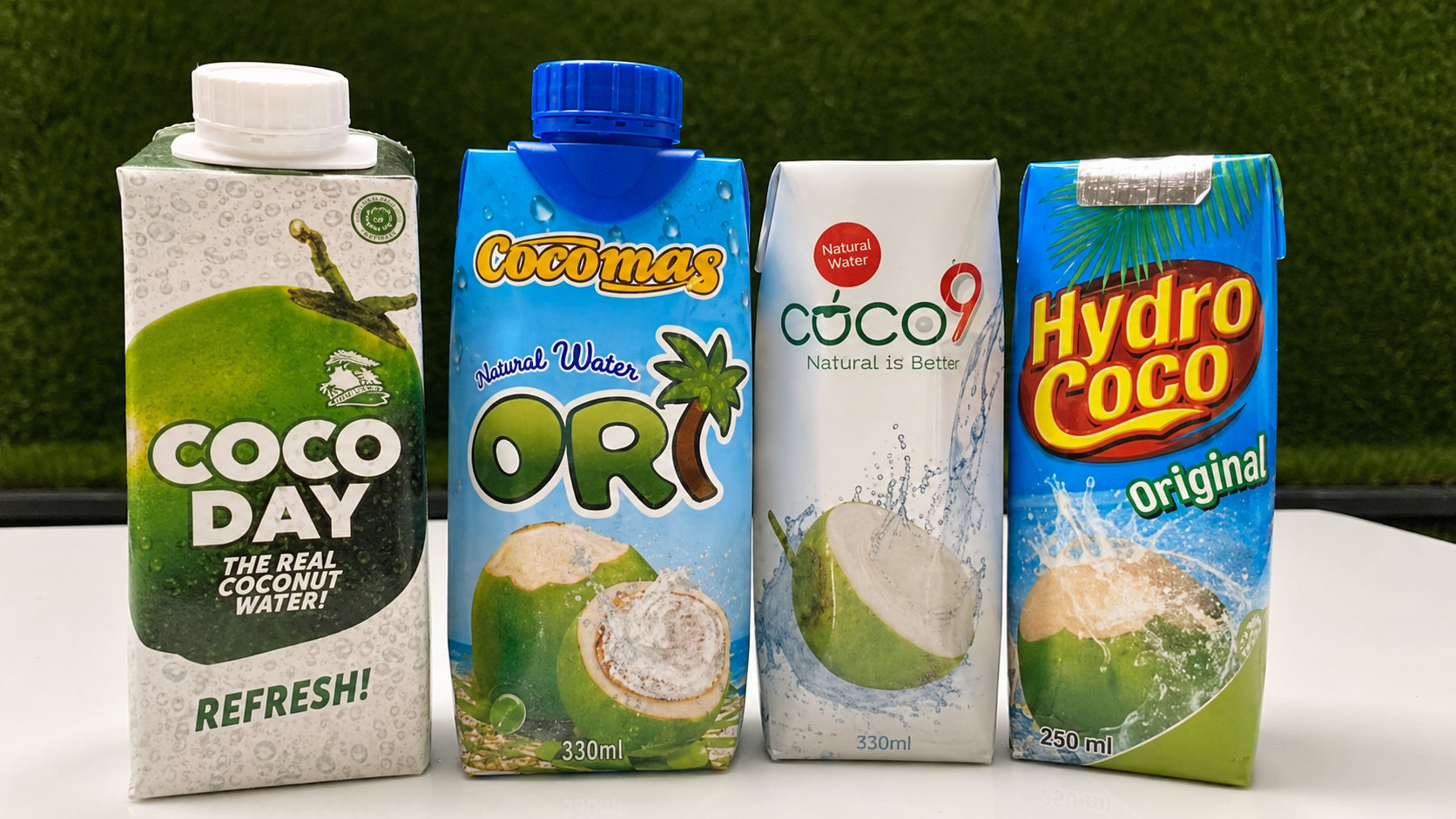
The beverage industry has also contributed to the expansion of coconut-related exports. Coconut water continues to gain popularity as consumers seek functional beverages and natural hydration products. What was once considered a niche product has evolved into a globally recognized beverage category supported by major international brands and retail chains.
Indonesia's position within the global coconut industry is strengthened by several key advantages. First, the country benefits from abundant natural resources and favorable growing conditions. Coconut cultivation has deep roots in many Indonesian regions, providing a stable foundation for long-term production.
Second, Indonesia offers significant production scale. Large coconut-growing areas enable suppliers to serve both small specialty buyers and large industrial customers. This flexibility is particularly valuable in international trade, where purchasing volumes can vary significantly depending on market requirements.
Third, Indonesian coconut products are supported by a growing processing sector. Rather than exporting only raw materials, many businesses now focus on producing higher-value products such as coconut milk, coconut cream, coconut oil, and specialized ingredients. This shift allows exporters to participate in more profitable segments of the global value chain while providing buyers with ready-to-use products.
Sustainability considerations are also influencing the future of the coconut industry. Around the world, consumers increasingly prefer products that support responsible sourcing practices and environmentally conscious production methods. Coconut products often align well with these expectations because coconuts can be processed into multiple products with relatively minimal waste. Every part of the coconut can potentially be utilized, creating opportunities for more efficient resource use throughout the supply chain.
From a sourcing perspective, international buyers are becoming more interested in diversification and supply chain resilience. Recent global disruptions have highlighted the importance of reducing dependence on limited sourcing locations. Indonesia's strong agricultural base and established export capabilities make it an attractive partner for businesses seeking long-term sourcing stability.
The growth of private label manufacturing has created another avenue for expansion. Retailers, distributors, and consumer brands increasingly seek partners capable of producing coconut-based products under their own branding. Indonesian manufacturers are responding to this demand by offering flexible production capabilities and customized packaging solutions that support private label strategies in international markets.
Looking ahead, the outlook for coconut-based products remains highly positive. Consumer interest in plant-based ingredients, natural products, functional foods, and sustainable sourcing continues to grow across multiple regions. These trends are expected to support long-term demand for coconut-derived products in both established and emerging markets.
For international buyers, coconut products from Indonesia represent more than just a commodity. They offer access to a diverse range of ingredients and finished products that align closely with modern consumer preferences. From food manufacturing and beverage production to cosmetics and personal care applications, coconut-based products continue to create opportunities across a wide range of industries.
As global demand evolves and new applications emerge, Indonesia is well-positioned to remain one of the world's most important suppliers of coconut-based products, helping connect international markets with one of nature's most versatile and valuable resources.