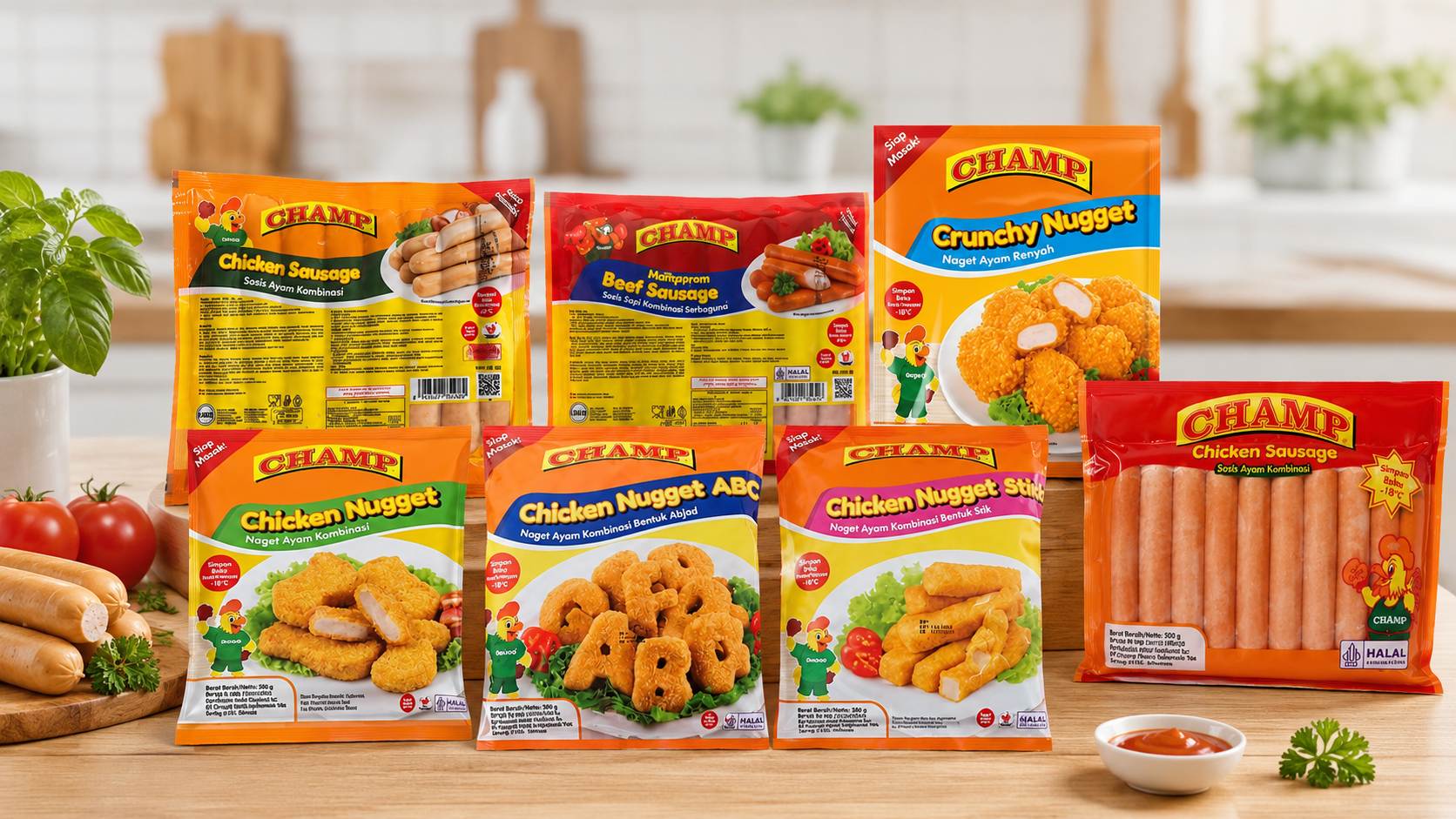
The global food industry is constantly evolving as consumers seek greater variety, convenience, and affordability. While traditional agricultural commodities continue to play an important role in international trade, processed food products have become one of the fastest-growing segments in the global food market. From snacks and biscuits to instant foods and ready-to-drink beverages, demand for processed food continues to expand across both developed and emerging economies.
Among the countries benefiting from this trend, Indonesia is steadily gaining recognition as a reliable source of high-quality processed food products. With a large manufacturing base, abundant agricultural resources, competitive production costs, and a growing number of internationally recognized brands, Indonesia has positioned itself as an attractive sourcing destination for importers, distributors, wholesalers, and retail businesses around the world.
For international buyers looking to diversify their product portfolio, Indonesian processed food presents a significant opportunity.
One of the biggest advantages Indonesia offers is product diversity. Unlike countries that specialize in only a few food categories, Indonesia produces a wide range of processed food products that serve different consumer segments and distribution channels.
Popular export categories include biscuits, crackers, wafers, instant noodles, snacks, seasonings, sauces, coffee beverages, coconut-based drinks, confectionery products, and ready-to-consume food items. This broad product range allows buyers to source multiple categories from a single market, simplifying procurement while creating opportunities for product expansion.
The growing popularity of Indonesian processed food is closely linked to changing consumer behavior. Modern consumers increasingly value convenience, affordability, and unique flavor experiences. Processed food products that combine practicality with distinctive taste profiles are attracting attention across many international markets.
Indonesia's rich culinary heritage provides manufacturers with a unique advantage. Local ingredients and traditional flavors can be transformed into products that appeal not only to Indonesian communities abroad but also to mainstream consumers seeking new food experiences. This ability to combine authenticity with mass-market appeal has helped Indonesian products gain traction in many regions.
Another factor driving demand is the strength of Indonesia's FMCG manufacturing sector. Over the past several decades, Indonesian food manufacturers have invested heavily in production facilities, quality control systems, packaging technology, and export capabilities. Many factories now operate according to international manufacturing standards, enabling them to meet the requirements of buyers from different countries.
Several Indonesian food companies have successfully expanded into international markets, helping increase global awareness of products originating from Indonesia. As consumers become more familiar with Indonesian food brands, distributors and retailers become more confident in sourcing additional products from the country. This growing familiarity creates a positive cycle that supports continued export growth.
Price competitiveness is another major advantage. International buyers often seek products that offer a balance between quality and affordability. Indonesia's manufacturing ecosystem allows producers to maintain competitive pricing while delivering products that meet market expectations. For distributors operating in highly competitive retail environments, this balance can be a significant advantage.
Beyond branded products, Indonesia is also becoming an increasingly attractive destination for private label manufacturing. Many importers and retail businesses prefer to sell products under their own brand rather than relying solely on established manufacturers. Indonesian producers have responded by offering flexible private labeling solutions that allow buyers to customize packaging, branding, and product specifications based on market requirements.
This trend is particularly important for distributors seeking long-term brand development. Rather than simply importing products, businesses can create proprietary product lines that build customer loyalty and strengthen market positioning.
Food safety and quality assurance have also become increasingly important in international trade. Buyers today place greater emphasis on compliance, consistency, and traceability throughout the supply chain. Indonesian manufacturers continue to improve quality management practices, production standards, and export procedures to meet these expectations.
As international regulations become more demanding, reliable supplier selection becomes increasingly critical. Buyers are not simply purchasing products; they are investing in supply chain partnerships that support long-term business growth. Indonesia's expanding export infrastructure and improving manufacturing capabilities help strengthen confidence among international buyers.
The rise of e-commerce has created additional opportunities for Indonesian processed food exports. Online marketplaces have made it easier for consumers to discover products from different countries, creating demand beyond traditional retail channels. Products that were previously available only through specialty importers can now reach a much broader audience.
This increased visibility has contributed to growing demand for Indonesian snacks, beverages, instant foods, and specialty products in markets that were previously difficult to access. As digital commerce continues to expand globally, Indonesian food manufacturers are positioned to benefit from increased international exposure.
Another trend supporting future growth is the increasing demand for ethnic and international foods. Consumers around the world are becoming more adventurous in their food choices and are actively seeking products that offer authentic cultural experiences. Indonesian processed food products are well-positioned to meet this demand, offering distinctive flavors that differentiate them from more familiar alternatives.
For international buyers, sourcing from Indonesia offers benefits that extend beyond product selection. The ability to access multiple product categories, private label solutions, competitive pricing, and growing manufacturing capabilities creates opportunities to build a more efficient and diversified sourcing strategy.
Product consolidation can further enhance these advantages. Rather than importing individual products from multiple countries, buyers can source a variety of food products from Indonesia and combine them into a single shipment. This approach helps reduce shipping costs, simplify procurement, and improve overall supply chain efficiency.
Looking ahead, the outlook for Indonesian processed food exports remains highly positive. Rising global food consumption, increasing demand for convenience products, growing interest in international flavors, and expanding private label opportunities are expected to support continued growth in the coming years.
For importers, distributors, wholesalers, and retail businesses seeking reliable sourcing opportunities, Indonesian processed food represents a market with significant potential. With strong manufacturing capabilities, diverse product offerings, and increasing global recognition, Indonesia continues to establish itself as an important player in the international processed food industry.
As consumer preferences evolve and global markets become increasingly interconnected, Indonesian processed food is likely to play an even greater role in meeting demand across a wide range of international markets.